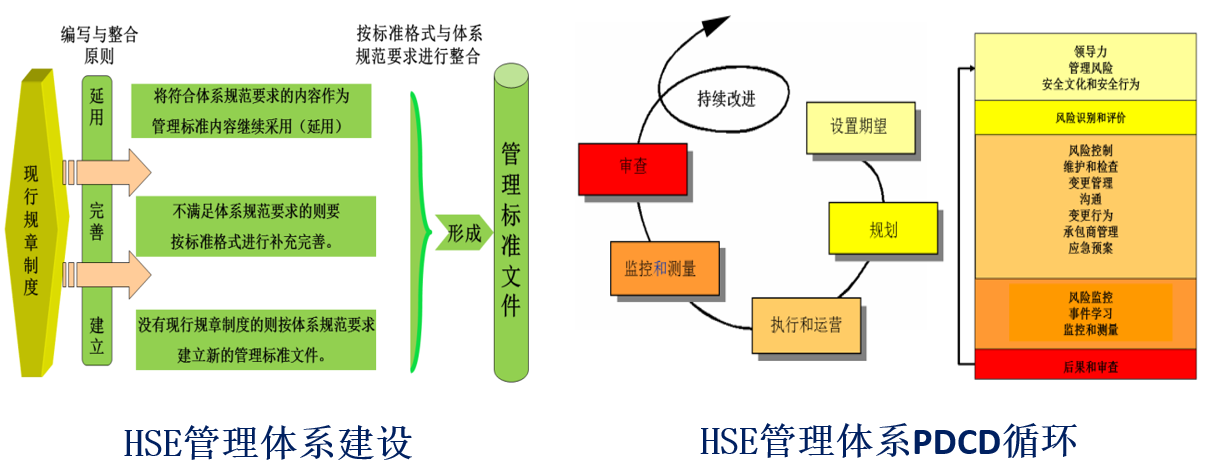
Use of international safety management standards, the enterprise existing multiple management system integration, to assist enterprises to carry out HSE management system design, risk identification, business carding, document writing and other work, to help enterprises to carry out management system trial operation and management review, the establishment of enterprise efficient operation of the HSE management system, output good HSE performance, and combined with the actual establishment of management system measurement indicators.
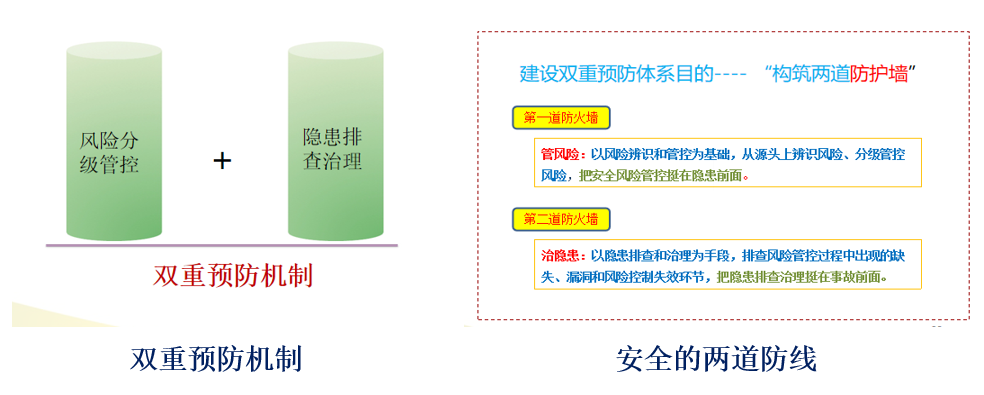
Constructing a dual prevention mechanism of safety risk classification control and hidden danger investigation and management is an important measure to curb major accidents. Through the construction of dual prevention mechanisms, help companies accurately grasp the characteristics and laws of safe production, adhere to risk pre-control, move forward, comprehensively implement safety risk classification management and control, further strengthen the investigation and management of hidden dangers, and promote the scientific, informatized and standardized accident prevention work, Realize the control of risks before the formation of hidden dangers and eliminate hidden dangers in front of accidents.
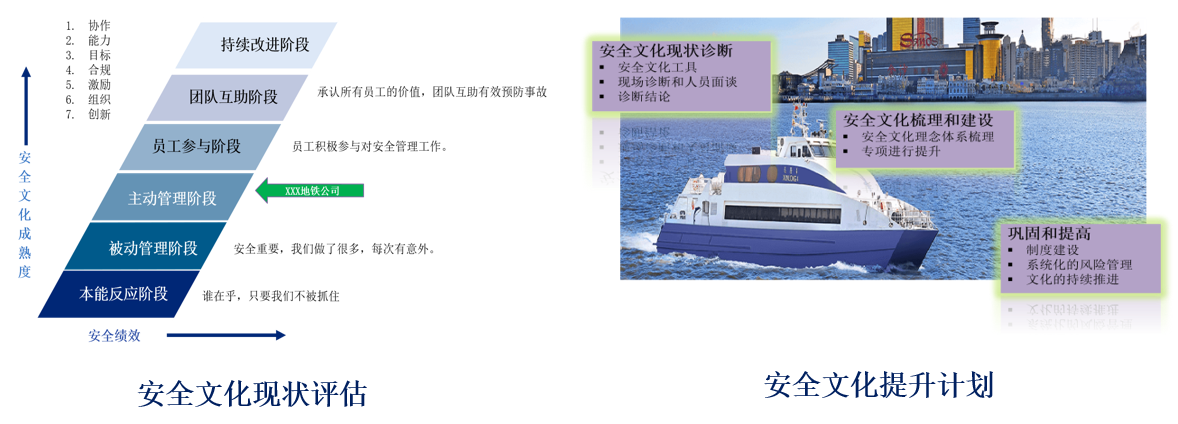
According to the "Transportation Industry Safety Culture Construction Evaluation Rules" and other relevant standards and documents, the existing safety culture level of the enterprise is evaluated. The evaluation methods include leadership interviews, on-site observations, data access and employee communication. According to the on-site situation and the results of the safety culture questionnaire, the stage of the enterprise safety culture and the gap with the world-class enterprises are judged, so that the enterprise management has a comprehensive and systematic understanding of the current situation of the companys safety culture. And according to the short board of safety culture to carry out special promotion and improvement, so that the concept and awareness of safety in-depth employees, to achieve a high level of safety culture stage.
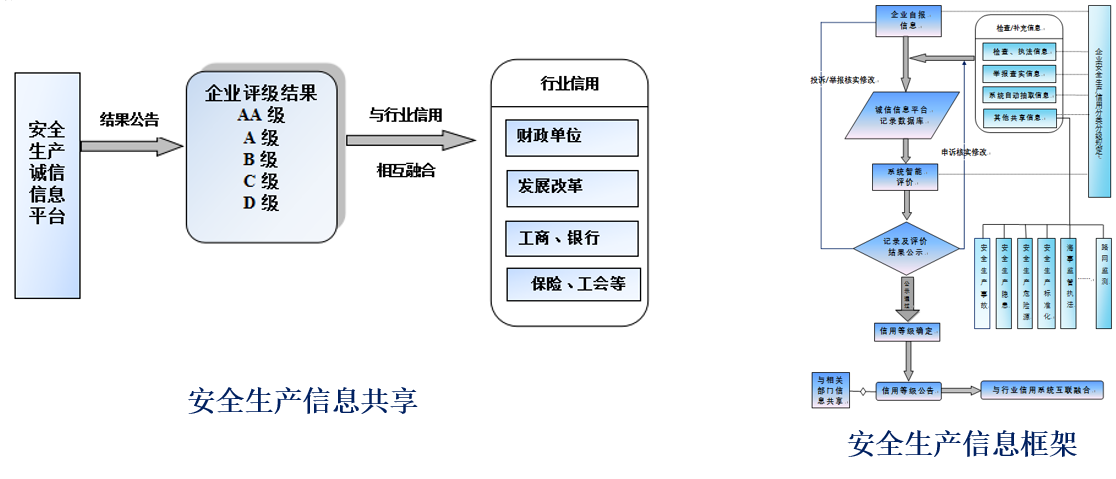
Scientific and reasonable evaluation of the enterprises safety production credit rating. Through the establishment of safety production integrity evaluation and management system, the safety production status of enterprises in the transportation industry is scientifically and effectively evaluated. According to the safety situation of enterprises, enterprises are divided into different safety credit levels, which is helpful to implement the safety subject responsibility of enterprises. At the same time, through information disclosure to guide enterprises to pay attention to safety in production, and constantly improve the level of safety management, reduce production safety accidents.
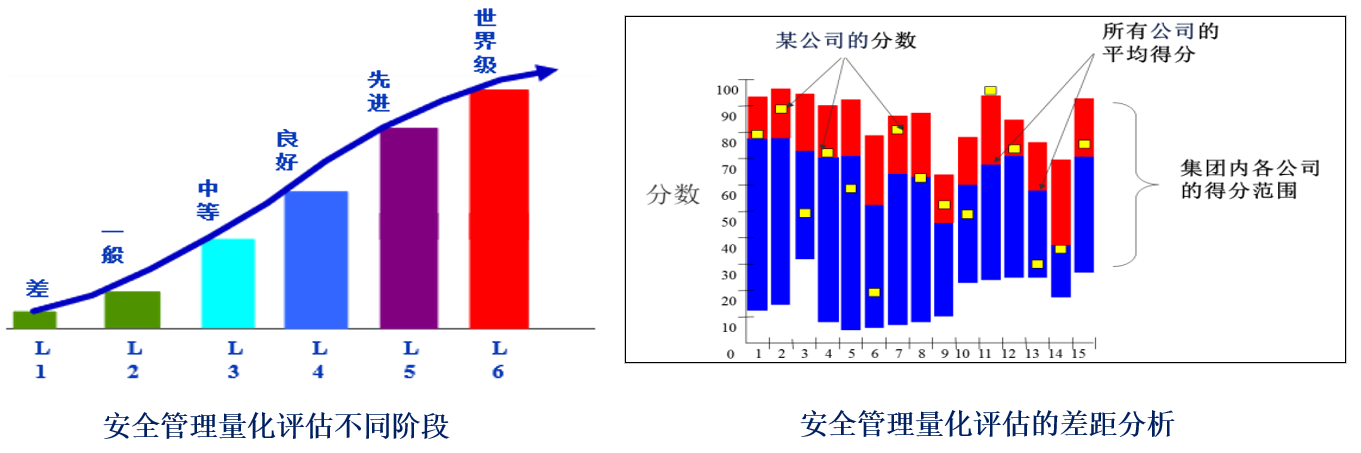
According to international safety management standards and best practices, a structured quantitative evaluation and inspection system is set up to quantitatively evaluate the enterprise safety management system. Through comprehensive and systematic evaluation, the advantages of enterprise safety management, as well as the areas that need to be improved and improved, effectively promote the systematic improvement of safety management system, safety management quantitative evaluation is the best tool to measure, improve and demonstrate QHSE management performance.
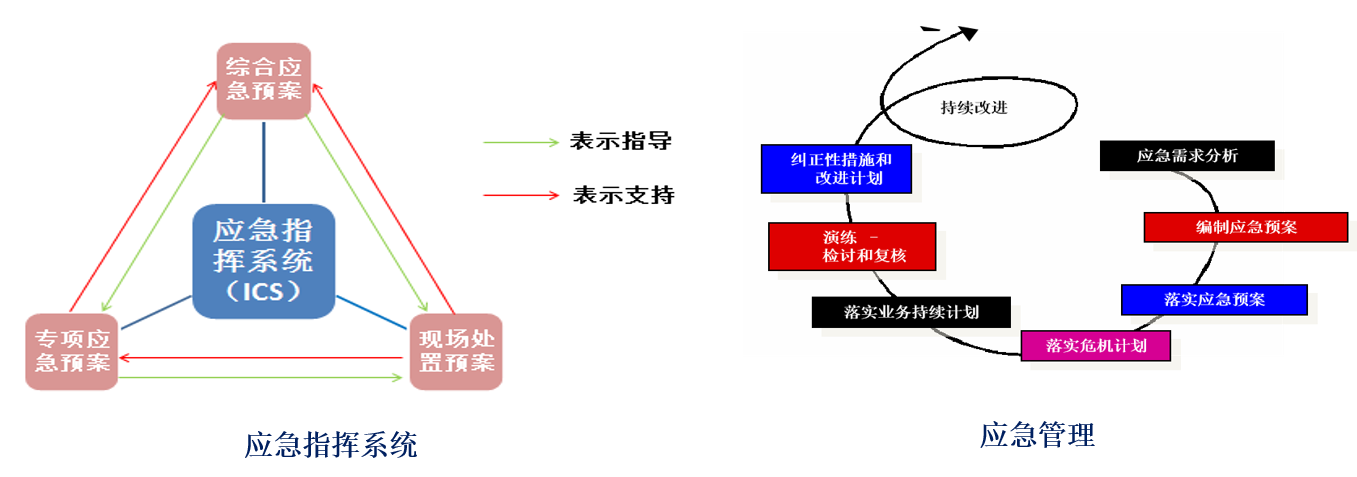
Plan the enterprise emergency response system, including the basic structure, roles and duties, the division of accident command levels, and the setting of command centers. At the same time, carry out special emergency response training. Assist the enterprise in preparing the emergency plan, evaluate the effectiveness and comprehensiveness of the plan, evaluate the current situation of the companys emergency management, support of internal and external capabilities, whether the emergency scope and resources meet the needs of the companys emergency management, and improve the companys emergency management capabilities.
-Atmospheric storage tank detection and safety assessment
-Evaluation of government public emergency material storehouse (base) construction
-Hazard Operational Analysis (HAZOP) assessment
-Government third-party safety and environmental inspection services
-Integration of regional port resources
-Inspection and testing of port ancillary facilities
-Equipment integrity audit
-Risk and insurance business